

Wow. Hasn’t this been the world’s largest ‘working from home’ experiment? Developers working remotely or from home were quite common in our software industry even before the Covid-19 lockdown. At SSW, I’ve always been reluctant to do more than minimal work from home, for a few reasons;
- I believe co-located Scrum Teams are better
- It’s a lot harder to give your clients consistency and continuity: https://rules.ssw.com.au/do-you-understand-the-value-of-consistency (opens in a new tab)
- I put a lot of energy goes into improving people’s presentation skills, and that is much easier to do in person
- I’ve put a lot of time and effort into creating a cool stimulating working environment, and a culture that encourages cumulative brain power
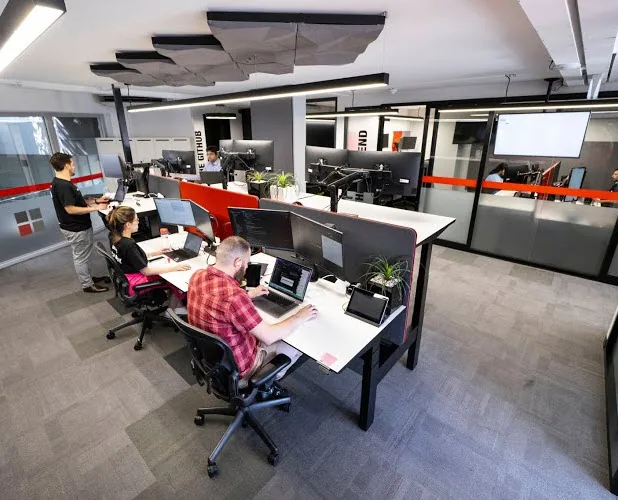
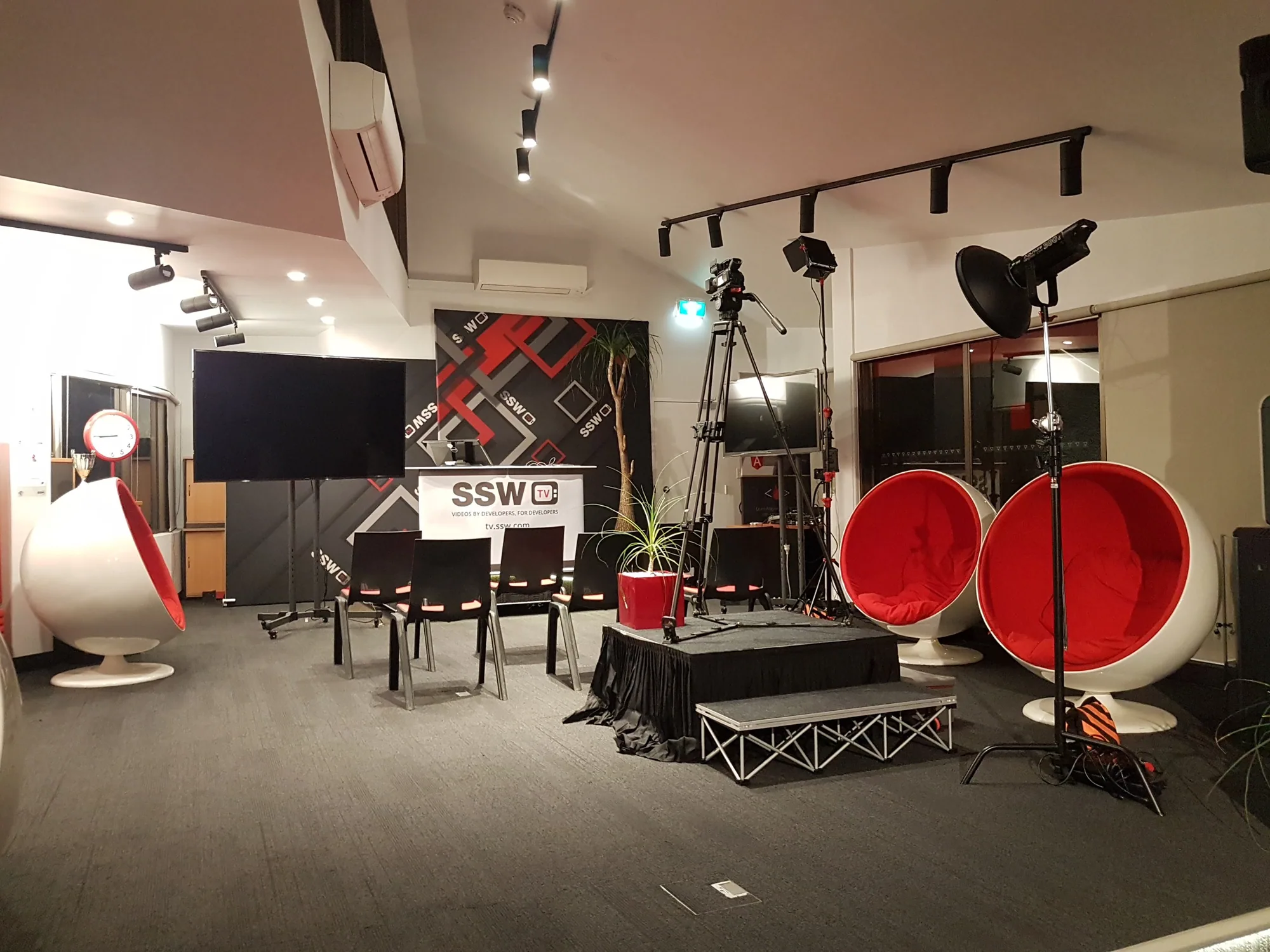
Due to this lock-down, we’ve discovered that you can remotely simulate some of these things, with a little work.
The most important thing, is to have good equipment and a good set up, with good quality sound, front lighting, dressed for work and video positioning at eye level… you know all of the basic stuff. It all helps to kick off a good meeting with your team/client. If you’re interested in how we do it, you can see our recommendations at SSW’s Rules to Better Remote Work. (opens in a new tab)
As a tech company, SSW are pretty well set up for #RemoteWork (opens in a new tab). Our clients require us to #WorkRemotely (opens in a new tab) all the time. However, we're not huge on working from home because we ❤️ the team to be together. So #WorkingFromHome (opens in a new tab) for the next few weeks was a big decision, but we wanted to pic.twitter.com/Qm7H2NyvGc (opens in a new tab)
— SSW / SSW TV (@SSW_TV) March 26, 2020 (opens in a new tab)
Most people at SSW have really enjoyed working from home. There’s no commute, or forgetting your lunch! Out of 50 developers, 44 answered my Microsoft Forms survey on their Coronavirus work from home experience so far. See some of the results below:
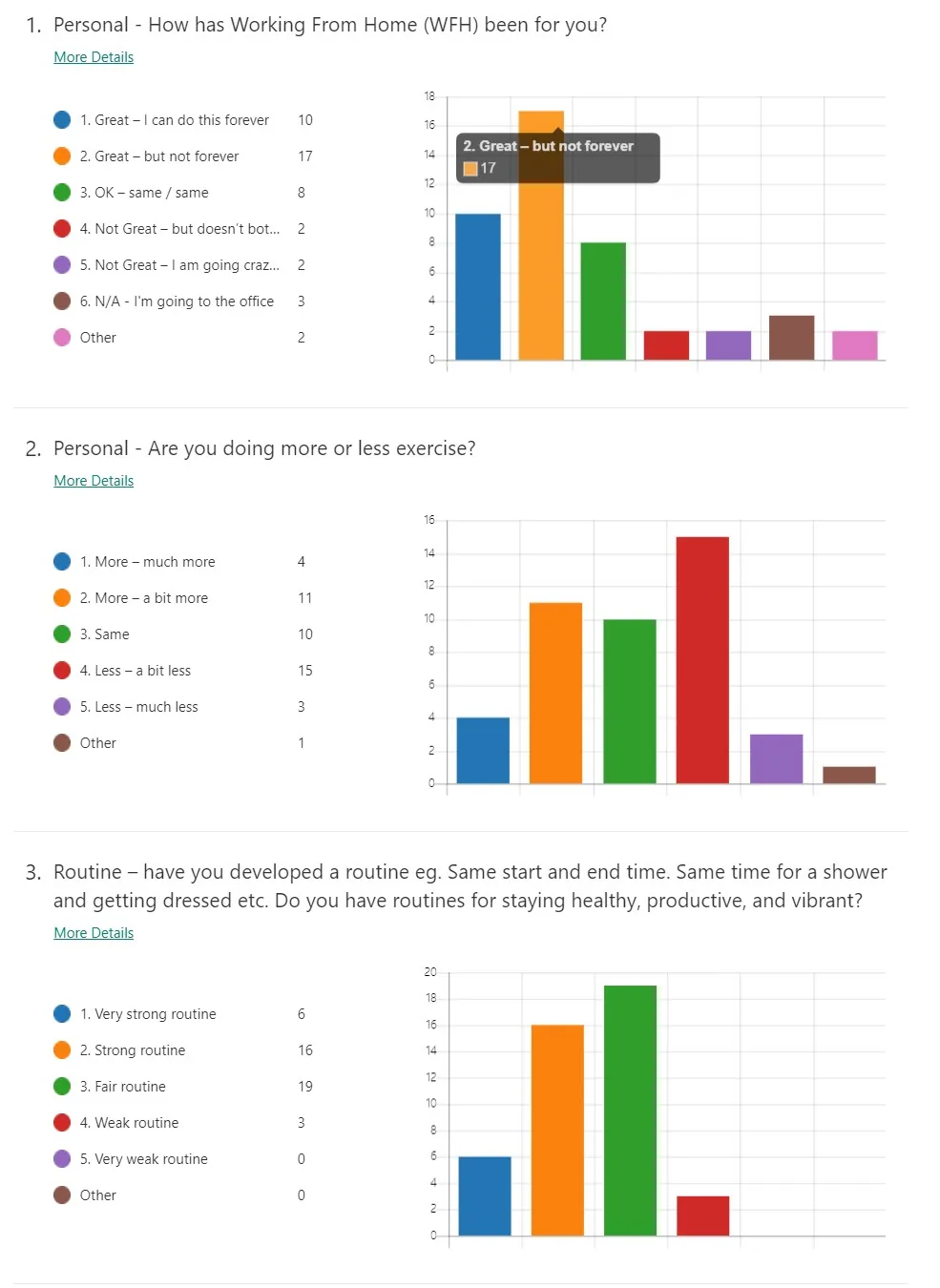
Warning: Any ‘work from home’ study done during Cornonavirus times, when you can’t visit your friends and the pubs and restaurants are closed, is *not* going to be representative of a normal work form home survey, done during normal times when you have all of the normal social competition.
Working from home should be giving people a better work-life balance, but if anything, it appears people have been working harder and doing a lot of extra hours. Twitter is full of people with stories of long hours, crazy homeschooling experiences, and Zoom/Teams fatigue.
When colleagues insist on a Zoom call after hours #WFH (opens in a new tab) pic.twitter.com/bSNUjaJWDc (opens in a new tab)
— Elsa Majimbo stan account (@RookieKE) May 3, 2020 (opens in a new tab)
If you’re working from home, and not enjoying it not, are any of these your reasons?
- An increased number of video calls that require a lot of concentration
- Bad quality video calls
- Unprepared people who start with ‘can you hear me?,’ ‘is this video clear?,’ who then forget to mute and then incredibly… start talking whilst still muted!
- Distracted people due to many things, e.g. children, texts, other calls, dogs barking etc.
- Your workday blending into your home life – blurred boundaries between home and work
- Not having a very good set-up. How I miss my 3 screens….
- Burnt out – feeling less and less productive
- Doing less exercise and eating worse
The Solution
Whether you’re in it for the long hall, or just having to do it for the next few weeks, SSW’s Jason Taylor has put together some practical ways to avoid the Work from Home burnout 🔥
Jason talks about how to keep healthy and productive and how to give your clients a great experience! He’s been doing this for 10 years and has some great tips, watch his video below.
Important Takeaways from Jason
1. Stay connected – touch base every day, whether it be a Daily Scrum, or a daily catch up (opens in a new tab) if your team doesn’t use Scrum.
These are unprecedented times and we are learning to work in different ways while we face #Coronavirus (opens in a new tab). At SSW, we follow and love #Scrum (opens in a new tab). We stay connected remotely and our day starts with a #DailyScrum (opens in a new tab), as it makes our projects run better. More at https://t.co/ReMaapz4En (opens in a new tab) pic.twitter.com/rqtJH9Zfzk (opens in a new tab)
— SSW / SSW TV (@SSW_TV) April 7, 2020 (opens in a new tab)
2. Set a routine and be sure to stick to it, that includes getting dressed for work, and taking regular breaks.
3. Communication – make sure you are always available in some way, this doesn’t mean dropping everything you are doing, it can be as simple as sending a message to say you’ll be with them as soon as you’re free. Then add this task to your TODO list while you remember.
4. Stick to a routine – if you don’t get dressed for work, or prepare for your day, your work hours and personal hours are more likely to blend, which can lead to burn out.
5. Take regular breaks! It will improve your productivity and general health
6. Have a TODO list, it will make you feel more productive and help keep you focused!
7. Have a dedicated workspace, it will help reduce distractions and try to set it up as ergonomically as possible.
8. Do a Test Please on your equipment and environment – don’t be the person that starts a video call with “can you hear me/see me?” It will help give your team and clients a nice consistent experience, first time every time. 👀 ✔
Following these steps should help your WFH relationship be less drama and more romance. Check out SSW’s Rules to Better Remote Work (opens in a new tab) for more awesome tips to help you keep you productive, professional and sane!
Are you enjoying working from home? Fill out a copy of my Microsoft Form, (opens in a new tab) I’d love to hear from you.
Comments
No comments on this post.